
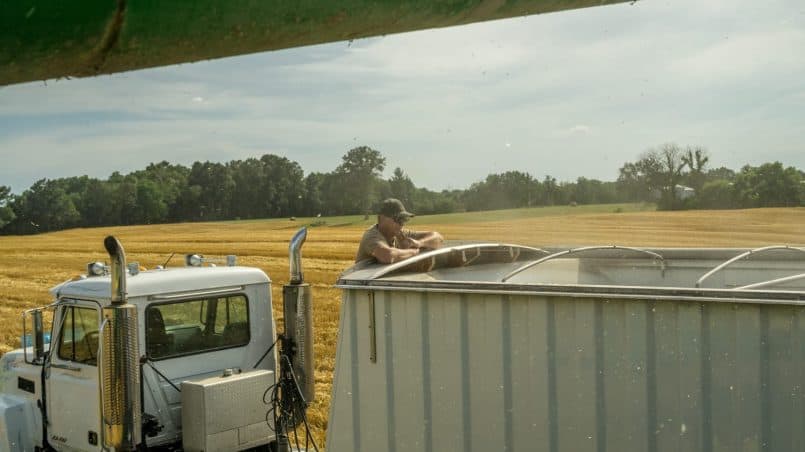
Managing a successful farming operation involves far more than planting crops or raising livestock. Today’s farms rely on efficient logistics, reliable storage solutions, and the ability to move equipment and supplies when needed. One area that has become increasingly important is shipping container transport.
From transporting farm equipment to relocating storage units between properties, shipping containers offer flexibility that suits the demands of modern agriculture. Understanding how container transport supports farm management can help farmers make informed decisions about storage, operations, and long-term planning.
Why Shipping Container Transport Is Important for Farms
Farming businesses often operate across large areas, with multiple properties, sheds, storage locations, and work sites. Moving tools, machinery parts, fencing supplies, irrigation equipment, and harvested products can present logistical challenges.
Shipping containers provide a practical solution because they offer secure, weather-resistant storage that can be transported when required. Rather than constructing permanent structures at every location, many farmers use containers as mobile assets that can be relocated as operational needs change.
This flexibility makes shipping container transport an important part of day-to-day farm management.
Common Uses for Shipping Containers on Farms
Shipping containers are used across a wide range of agricultural applications.
Farmers often use containers for storing equipment, feed, spare parts, chemicals, and seasonal supplies. Some containers are converted into workshops, staff facilities, pump houses, or secure storage units.
The ability to transport these containers between locations allows farm operators to adapt quickly to changing requirements throughout the year.
Supporting Seasonal Operations
Agricultural workloads change throughout the seasons. Harvest periods, planting schedules, livestock movements, and infrastructure projects often require resources to be available in different areas of a property.
Transporting containers enables farmers to position equipment and supplies closer to where work is taking place, reducing travel time and improving efficiency.
Managing Multiple Properties
Many farming businesses manage several properties spread across a region. Shipping containers can serve as mobile storage facilities that move between sites as required.
This approach allows farm managers to centralise valuable equipment while maintaining access to essential tools across different locations.
Factors to Consider Before Transporting a Shipping Container
Moving a shipping container requires planning to ensure the process is safe and efficient.
Several factors influence transport requirements:
- Container size, container weight, access conditions, delivery location, ground stability, loading equipment availability, and transport permits where necessary.
Understanding these factors helps minimise delays and reduces the risk of unexpected costs.
Choosing the Right Container Size
Different farming applications require different container sizes. Selecting the right option depends on the intended use and transport requirements.
| Container Type | Length | Common Farm Uses |
|---|---|---|
| Standard Container | 20 ft | Equipment and parts storage |
| High Cube Container | 40 ft | Bulk storage and workshops |
| Modified Container | Variable | Offices, pump rooms, staff facilities |
Larger containers offer greater storage capacity but may require additional planning when transporting to remote areas or properties with limited access.
Access Challenges on Rural Properties
One of the most common challenges in shipping container transport involves site access.
Unlike industrial locations, farms often have narrow access roads, soft ground, uneven terrain, and seasonal weather conditions that can affect transport operations.
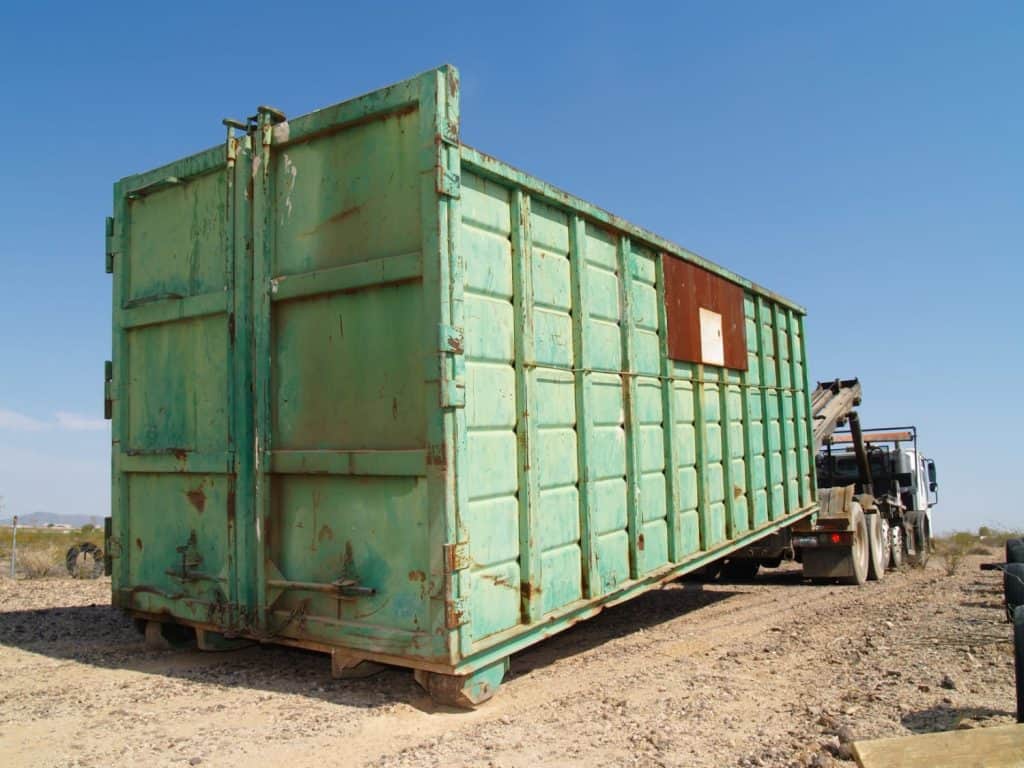
Before a container is delivered or relocated, transport operators typically assess the route to identify potential obstacles. Gates, trees, power lines, drainage channels, and turning areas may all affect access.
Proper planning helps avoid delays and ensures the container can be positioned safely at its destination.
The Role of Shipping Container Transport During Farm Expansion
As farming businesses grow, infrastructure requirements often change. Additional storage space may be needed for machinery, irrigation systems, feed, fertiliser, or harvested products.
Shipping containers provide a scalable solution that can expand alongside the business. Rather than committing to permanent construction immediately, farm operators can add storage capacity as required and relocate containers when priorities change.
This flexibility can be particularly valuable during property development projects, land improvements, and seasonal production increases.
Protecting Equipment and Supplies
Agricultural equipment represents a significant investment. Exposure to weather, theft, and accidental damage can lead to costly repairs and operational disruptions.
Shipping containers provide a secure environment for storing valuable assets. Because containers can be transported when necessary, they allow farmers to position equipment where it is needed while maintaining protection when not in use.
This combination of mobility and security makes containers a practical option for many rural businesses.
Safety Considerations During Transport
Safety should always be a priority when transporting shipping containers.
Containers can weigh several tonnes, even when empty. Proper lifting equipment, load restraint systems, and transport vehicles are essential to prevent accidents.
Farm managers should ensure delivery locations are prepared before transport arrives. Adequate clearance, stable ground conditions, and suitable unloading areas contribute to a safer and more efficient process.
Working with experienced transport operators like WestAus Heavy Tow can help identify potential issues before they become problems.
Future Trends in Agricultural Logistics
Agriculture continues to adopt new technologies that improve efficiency across farm operations. Shipping container transport is benefiting from these developments through better route planning, vehicle tracking, and logistics management systems.
Improved transport coordination allows farmers to monitor deliveries, schedule container movements, and manage resources more effectively across multiple locations.
As farming businesses continue to focus on productivity and operational efficiency, flexible storage and transport solutions are likely to remain an important part of modern farm management.
Conclusion
Shipping container transport plays an increasingly valuable role in agriculture. Whether used for equipment storage, seasonal operations, infrastructure projects, or managing multiple properties, containers provide flexibility that supports efficient farm management.
By understanding transport requirements, planning for site access, and selecting the right container for the job, farmers can make better use of these versatile assets. As agricultural operations continue to evolve, shipping container transport will remain a practical solution for supporting productivity across rural properties.
